Discover how Generative Engine Optimization pairs with Google Ads and Meta Ads to dominate AI-driven search, social feeds, and digital marketing in 2026.
The digital marketing landscape has fractured into two distinct battlegrounds: the AI-driven search ecosystem and the highly saturated social feed. Winning today requires moving beyond basic keyword stuffing or generic audience targeting. It demands a holistic approach that bridges Generative Engine Optimization (GEO) with precision-engineered Google and Meta advertising campaigns.
Whether you are managing e-commerce infrastructure on WooCommerce or driving B2B leads, the core principles of visibility and conversion have fundamentally shifted.
From SEO to GEO: The New Search Reality
Traditional Search Engine Optimization focused on ranking blue links on a results page. Today, Generative Engine Optimization focuses on being the cited authority when an AI synthesizes a direct answer. Search engines like Google AI Overviews and ChatGPT now act as answer engines, reading, summarizing, and extracting content before the user ever clicks a link. Optimizing for traditional clicks is no longer enough; brands must now optimize for AI mentions and reference rates.
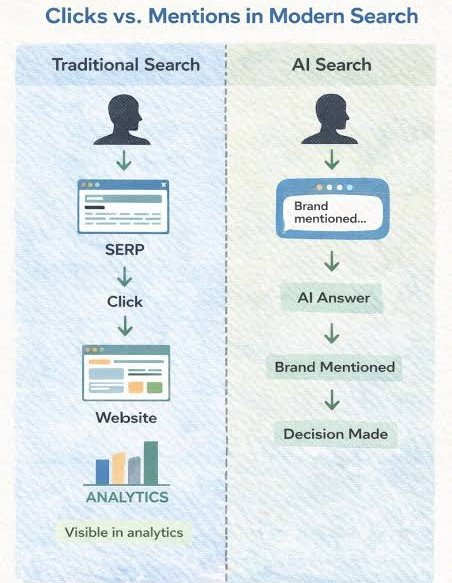
Traditional clicks vs. AI mentions. Source: Search Engine Land
To optimize for generative engines, content strategy must evolve:
- Structure Content for AI Extraction: AI systems need to pull specific pieces of information, so you must lead with direct answers at the beginning of each section and utilize clear heading hierarchies.
- Entity Optimization: Focus on building topical authority around specific entities rather than chasing exact-match keywords. Ensure your brand entity is crystal clear, as AI engines need to understand who you are to recommend you.
- Target Sub-Queries (Fan-Out Queries): When users ask complex questions, AI breaks them down into smaller “fan-out” sub-queries. You must ensure your content addresses these targeted fragments directly.
- First-Hand Experience & Trust Signals: Algorithms heavily favor content demonstrating real-world experience. AI-generated answers are heavily influenced by trust signals, so building proof that AI engines can trust is essential.
- Implement Robust Structured Data: Expanding your structured data beyond basic schema is one of the most impactful actions for 2026, as Large Language Models rely heavily on machine-parseable data to ground their answers.
- Ensure AI Crawler Access: AI systems must be able to read your pages. Check your robots.txt file to ensure you are not inadvertently blocking AI crawlers, and avoid relying on client-side rendering for critical content.
Precision Targeting: The Google & Meta Ecosystem
While organic search builds long-term authority and ensures you are cited by AI models, paid channels deliver immediate, scalable intent capture. Mastering ad campaigns across Google and Meta requires understanding the unique strengths of each platform, rather than treating them as interchangeable advertising channels.
Google Ads: Capturing High-Intent Demand
Google Ads remains the premier channel for capturing users actively searching for a solution. Success here relies on strict account architecture and intent matching. As Generative Engine Optimization handles the top-of-funnel research and informational queries, Google Ads should be hyper-focused on securing the transaction when user intent peaks. Campaigns must be structured to capture long-tail, high-converting queries that AI overviews might push further down the page. Utilizing advanced bidding strategies and tightly themed ad groups ensures budget is allocated to the highest-performing segments.
Meta Ads: Manufacturing Demand
If Google captures demand, Meta creates it. The platform excels at introducing brands to users who weren’t actively looking but fit the perfect customer profile.
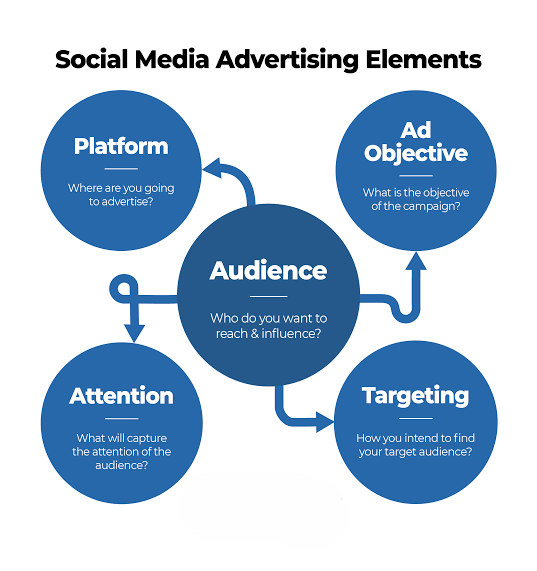
Creative as Targeting: The algorithm has become so adept at finding buyers that the ad creative itself now does the heavy lifting for targeting. Broad audiences combined with highly specific video or carousel creatives allow the system to self-optimize and find the ideal buyers.
Frictionless Conversion: Shortening the path to purchase is vital. For e-commerce, integrating seamless checkout experiences directly from the feed reduces drop-off rates and maximizes return on ad spend.
Retargeting Architecture: Building sequential retargeting pools based on video view duration, engagement levels, or specific page visits allows for tailored messaging that moves users down the funnel efficiently without causing ad fatigue.
Connecting the Funnel
The most successful digital marketing strategies do not silo these disciplines. An integrated approach uses Meta Ads to generate initial brand awareness, relies on robust Generative Engine Optimization to capture the inevitable subsequent research queries across AI platforms, and deploys Google Ads to secure the final transaction.
By analyzing the data where these channels intersect, marketers can map the complete customer journey. Implementing Generative Engine Optimization tools for visibility tracking ensures you can identify missing citations, track brand mentions, and see exactly where competitors are being recommended by AI. When organic AI visibility and paid acquisition systems work in harmony, businesses can identify exactly where friction occurs, optimize their touchpoints, and determine where marketing investment yields the highest return.